Special Purpose Reinsurance Vehicle Licence Singapore: Requirements, Timeline and Process
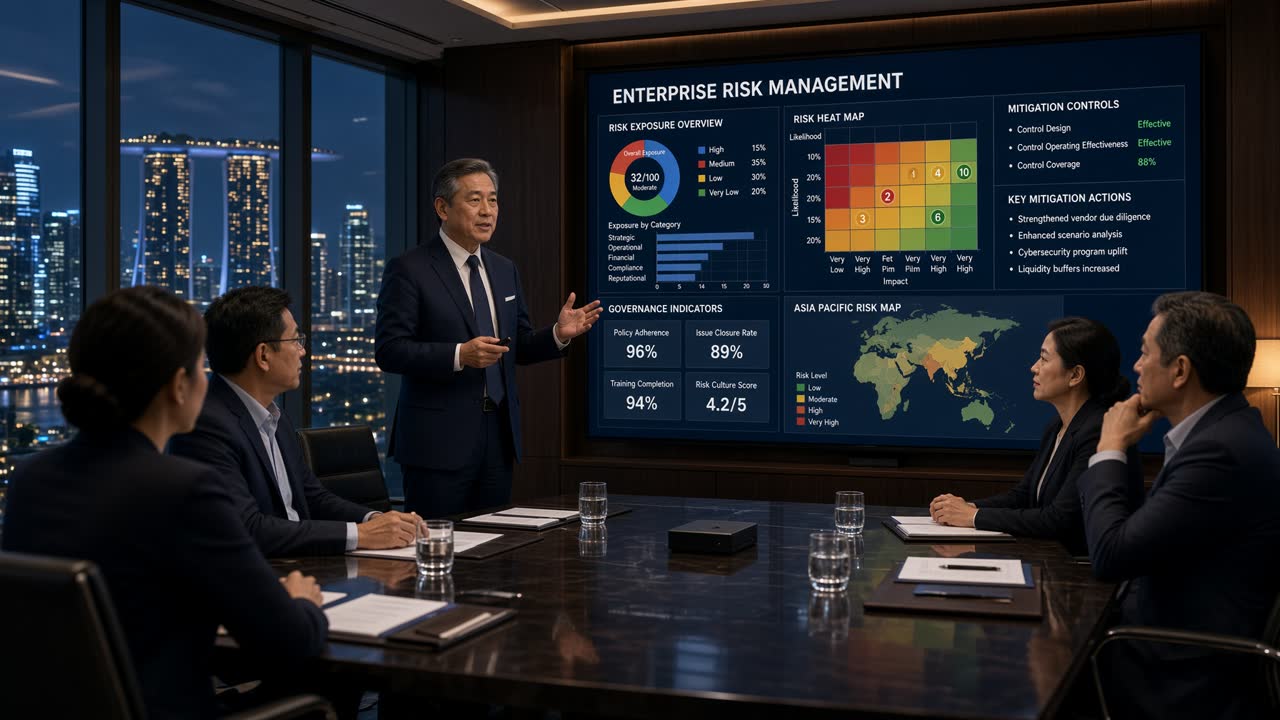
A step-by-step guide to applying for a special purpose reinsurance vehicle licence in Singapore, covering what MAS looks for, indicative processing time and the pitfalls that delay ILS and catastrophe bond applications. It also explains how the SPRV route sits alongside the proposed protected cell company framework.
A special purpose reinsurance vehicle licence in Singapore is the authorisation a sponsor needs before a Singapore-incorporated vehicle can accept risk from a cedant and fund that risk by issuing insurance-linked securities (ILS) such as catastrophe bonds. The Monetary Authority of Singapore (MAS) licenses these vehicles under the Insurance Act 1966 and its subsidiary legislation. MAS has indicated that applications for a straightforward SPRV are processed in a short period, commonly cited as two to four weeks once the file is complete, but that figure depends heavily on how well prepared the application is. This article sets out who needs the licence, what the application contains, how to plan the timeline and where applications tend to stall.
Readers should confirm each point against the current Insurance Act, the relevant regulations and the MAS application guidance before relying on it. MAS revises its licensing materials periodically, and the details below are a practitioner's orientation, not a substitute for the primary text.
What an SPRV Is and When You Need One
An SPRV is a narrowly purposed reinsurer. It enters a reinsurance agreement with a ceding insurer or reinsurer, and it funds its obligations through the proceeds of notes or other securities sold to capital market investors. If a defined trigger event occurs, such as a named windstorm or an earthquake of a specified magnitude, the vehicle pays the cedant from the collateral and investors absorb the loss. If no trigger event occurs, investors are repaid principal and interest.
Because the vehicle is carrying on reinsurance business, it needs to be licensed. The licence is distinct from the licence of a direct insurer, a conventional reinsurer or a captive. A sponsor that only wants to buy collateralised protection from an existing licensed reinsurer does not need an SPRV, and one that wants a cell inside a protected cell company will need to wait for the legislative framework MAS consulted on in July 2026. The standalone SPRV remains the route for sponsors who want to issue a Singapore-domiciled catastrophe bond today. Our article on the MAS collateralised reinsurance and ILS consultation covers how the two routes are likely to coexist, and the licence types article places the SPRV alongside the other categories.
Core Requirements MAS Looks For
The SPRV regime is built on a simple principle: the vehicle should be fully funded, ring-fenced and limited in what it can do. In practice, the licensing assessment tends to focus on the following areas.
First, the structure. The vehicle is a company incorporated in Singapore with a constitution that restricts its activities to the proposed transaction or programme. MAS will expect a structure chart showing the sponsor, the cedant, the issuer of the notes, the trustee, the collateral arrangements and any other parties.
Second, funding and collateral. The assets backing the obligations to the cedant are expected to be held in a manner that protects them from the claims of other creditors. The offering documents, the reinsurance agreement and the trust or account arrangements should all describe the same waterfall and the same priority of payments. Inconsistencies between these documents are one of the most common causes of follow-up questions.
Third, governance and people. MAS assesses the directors and substantial shareholders under its fit and proper expectations, and the vehicle needs a credible local presence. Our article on fit and proper assessment for insurers explains the criteria MAS applies. For SPRVs, directors are often drawn from the sponsor group or a corporate services provider, and each needs to be able to explain the vehicle's purpose and risks.
Fourth, service providers. Sponsors typically appoint a Singapore administrator, a trustee or collateral agent, an auditor and legal counsel. MAS will expect the roles and responsibilities to be set out clearly and the outsourcing arrangements to be proportionate to the vehicle's limited activity.
Fifth, transaction terms. The reinsurance agreement should define the covered risks, the trigger mechanism, the term, the collateral release and the treatment of any extension or loss reserving period. MAS has an interest in whether investors are sophisticated enough to bear the risk, so the offering should be directed at institutional and accredited investors in line with the securities offering rules.
The Application Process Step by Step
A well-run SPRV application usually follows a predictable sequence.
Step one is structuring and feasibility. The sponsor, cedant and advisers decide the trigger type, the size, the term and the investor base, and confirm whether the transaction is better suited to an SPRV, a conventional reinsurance arrangement or, in future, a cell. This is also the point to check eligibility for the MAS ILS Grant Scheme, which according to the MAS scheme page runs from January 2026 to December 2028 and can cover part of upfront issuance costs, subject to its own conditions and caps. Check the current scheme terms before committing to a timetable, because the grant conditions can influence the choice of service providers and the structure.
Step two is pre-application engagement. For a first transaction, or any with a novel feature, an early conversation with MAS saves time. The purpose is to surface concerns about the structure, the trigger or the collateral before drafting is finalised, not to seek an informal approval.
Step three is preparing the application. The package normally includes the application form, the structure chart, draft transaction documents, information on directors, shareholders and key service providers, and a description of the sponsor's rationale and the risk transfer. The application is submitted through the MAS channel specified in its current guidance.
Step four is MAS review and queries. MAS may ask for clarification on the structure, the collateral or the governance. The speed of the response matters: a clean, complete and quickly answered file is what makes the short processing window achievable.
Step five is licensing and closing. Once the licence is granted, the vehicle can sign the reinsurance agreement and complete the note issuance, subject to the conditions MAS attaches. Sponsors should check whether any licence conditions need to be satisfied before closing and diarise the post-licensing obligations.
Planning the Timeline
The two to four week processing figure should be treated as the review period, not the whole project. Before the application is lodged, the sponsor needs to settle commercial terms with the cedant, agree the trigger design with the modelling agent, appoint service providers and draft the transaction documents. That work commonly takes months for a first transaction.
A sensible planning approach is to work backwards from the target issuance date. Allow time for investor marketing, for final MAS queries and for the corporate steps that follow licensing, such as bank accounts, collateral funding and any notices to counterparties. Build in contingency for a second round of MAS questions, especially if any structural element is new to the regulator.
Timeline risk also arises from parties outside the sponsor's control. Rating agency feedback, modelling agent deliverables and investor due diligence can all force changes to the documents after the draft has been shared with MAS. Informing MAS of material changes promptly is better than letting the file drift out of date.
Common Pitfalls in SPRV Applications
Several issues recur in practice.
Document inconsistency is the first. A trigger defined one way in the term sheet and another way in the reinsurance agreement invites questions and delays.
Thin governance is the second. A vehicle with directors who cannot explain the transaction, or with an administrator whose role is described only in general terms, undermines confidence in the structure.
Misaligned collateral arrangements are the third. The legal analysis of how collateral is held, who has recourse to it and what happens on the insolvency of a party should be reflected consistently in the trust documents, the reinsurance agreement and the offering circular.
Incomplete ongoing obligations are the fourth. Licensing is the start, not the end. SPRVs are subject to reporting and compliance obligations, and the MAS compliance toolkit for SPRVs sets out the requirements the vehicle needs to track. Our overview of the MAS compliance toolkits for direct insurers, reinsurers and captives explains how to turn those toolkits into a working register. A sponsor that treats the toolkit as an afterthought often discovers gaps at the first audit or regulatory contact.
Finally, sponsors sometimes underestimate the cedant side. A cedant claiming capital relief for the reinsurance needs to be satisfied that the arrangement genuinely transfers risk and meets the conditions for credit in its capital calculations. That analysis should be done in parallel with the licence application, not after it.
Preparing the Application Well
The best SPRV applications are the product of disciplined preparation. Assemble a single source of truth for the structure and transaction terms, and cross-check every document against it. Prepare a short regulatory narrative that explains who the parties are, what risk is being transferred, how the vehicle is funded and why the structure protects the cedant and investors. Assign a named owner for each MAS query, with a target turnaround measured in days.
It also helps to decide early who will carry the vehicle after closing. Someone needs to own regulatory reporting, record keeping, the relationship with the administrator and the monitoring of any licence conditions.
For sponsors, cedants and arrangers considering a Singapore catastrophe bond or other ILS programme, Alpha Consultant provides regulatory licensing advisory covering structuring input, application preparation, MAS engagement and post-licensing compliance. Contact us to discuss your proposed SPRV and the timetable you are working to.
Questions about how this applies to your organisation? Our consultants are available to discuss your specific position.
More in Regulatory
- MAS Group Capital Framework for Designated Financial Holding Companies: What Insurers Need to Know
- MAS FSG-03 Digital Advertising Guidelines: Compliance Checklist for Insurers and Financial Advisers
- Singapore Protected Cell Company Framework: What the MAS Consultation Means for Captives and ILS Sponsors
Briefing details
- Category
- Regulatory
- Reading time
- 8 min read
- Published
- 19 November 2026